Cycling the Barrow Way is all about enjoying the ride. Thing is, a bike that's not properly maintained can turn a pleasant morning on the towpath into a frustrating experience with flat tyres or a grinding chain. The good news? You don't need to be a cycling expert to keep your bike in good shape. Most maintenance tasks take just 15 minutes and require tools you probably already have at home.
Check Your Tyres Before Every Ride
Your tyres are literally where the rubber meets the road. They're the first thing to check because a flat or underinflated tyre changes everything about how your bike handles. On the Barrow Way, you're cycling on a smooth tarmac surface, but rocks and thorns can still cause punctures. Spend 30 seconds squeezing both tyres — they should feel firm, not spongy.
If you want to be thorough, check your tyre pressure with a pump that has a gauge. Most hybrid bikes and flat-bar bikes use tyres that need between 40-65 PSI (pounds per square inch). Look at the sidewall of your tyre — the recommended pressure is printed there. You'll notice a difference in how the bike rides when pressure is correct. Underinflated tyres roll slower and feel sluggish. Properly inflated tyres respond better and use less energy.
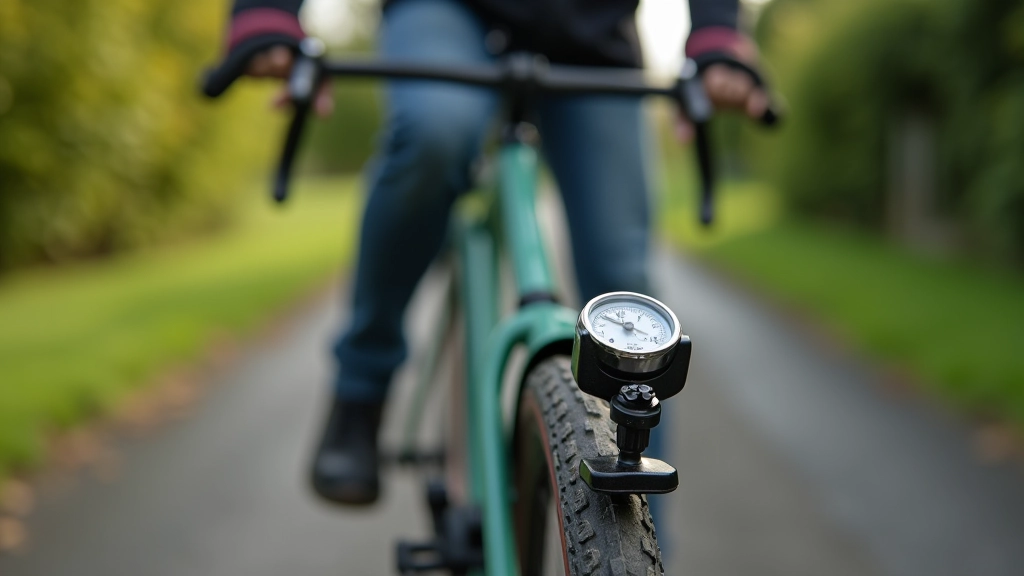
Quick tip: Check tyres when they're cold (early morning is ideal). Tyres expand slightly when warm from riding, which gives a false pressure reading.
Oil Your Chain Every 100 Miles or Every Two Weeks
A dry chain is one of the quickest ways to ruin a bike's performance. You'll hear it before you feel it — that grinding, creaking sound means your chain is crying out for lubrication. The chain is your bike's hardest-working component, constantly moving through dirt and moisture. When it's properly lubricated, it runs quiet and smooth.
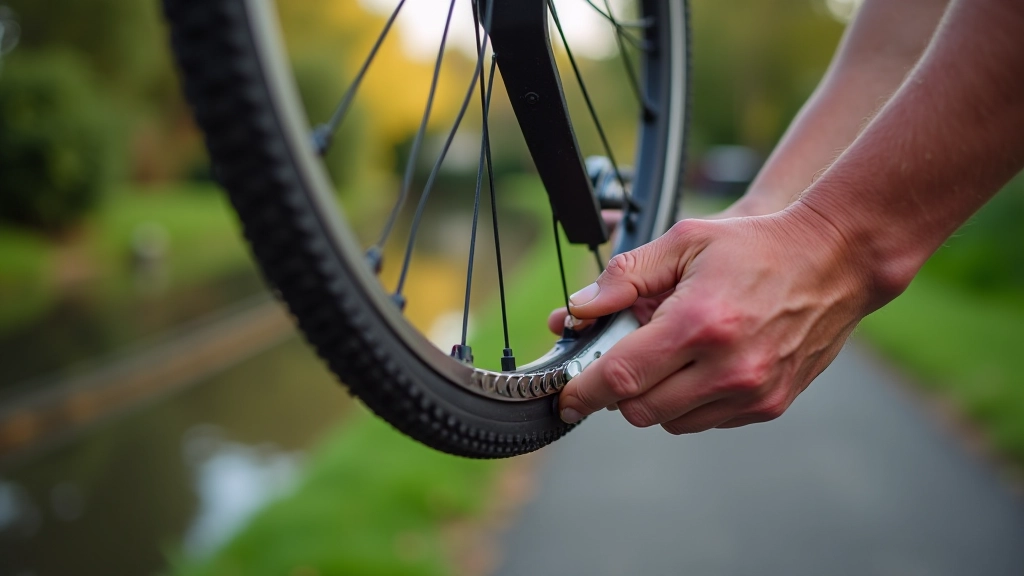
Here's the thing about chain oil: you don't need much. A light coating is all that's required. Get yourself a basic chain oil (any bike shop has them for a few euros), and apply it while slowly rotating the pedals backwards. Let the oil soak in for a minute, then wipe away any excess with an old cloth. Too much oil attracts dirt, which actually makes things worse. You're aiming for a light sheen, not a dripping wet chain.
Brake Check: Safety Isn't Negotiable
Your brakes are literally what stop you. On a flat route like the Barrow Way, you might think brakes are less critical than on hilly terrain. But you'd be wrong. Pedestrians appear around corners, other cyclists might stop suddenly, and the occasional slippery spot exists even on maintained towpaths. Brakes that don't respond immediately are a safety issue, not just an inconvenience.
Squeeze each brake lever and feel the response. The lever shouldn't travel more than halfway to the handlebar before the brakes engage. If it does, your brake pads are probably worn. For rim brakes, you can visually inspect the pads — they should have at least 2mm of material remaining. Disc brakes are harder to assess visually, so if you're unsure, take the bike to a shop. It's worth €15-20 for a professional check rather than having brake failure mid-ride.
This guide provides general maintenance information for recreational cycling. If you're unsure about any repair, don't have proper tools, or notice unusual sounds or handling, consult a qualified bike mechanic. Regular professional servicing (annually) helps catch issues before they become safety concerns.
Bolts, Nuts, and Wobbly Bits
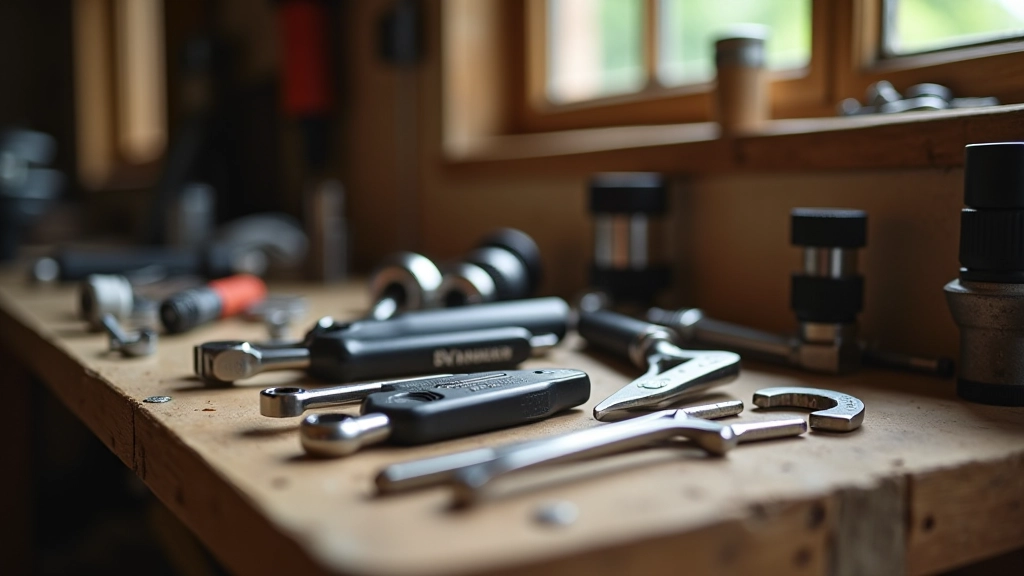
Vibration from regular riding gradually loosens bolts. Your seat post wobbles. The handlebars shift slightly. Your mudguards rattle. These aren't major problems individually, but they add up to an unsatisfying riding experience. Spend 10 minutes with a basic multi-tool checking that everything is tight.
Start with the seat — twist the seat clamp and make sure it's secure. Then the handlebars. Then check your mudguards and any accessories. You're not looking for extreme tightness (which can strip threads), just firm and secure. If something feels loose, tighten it a quarter turn and test again. Most of what you'll find requires only light tightening.
Cleaning Your Bike (Yes, Really)
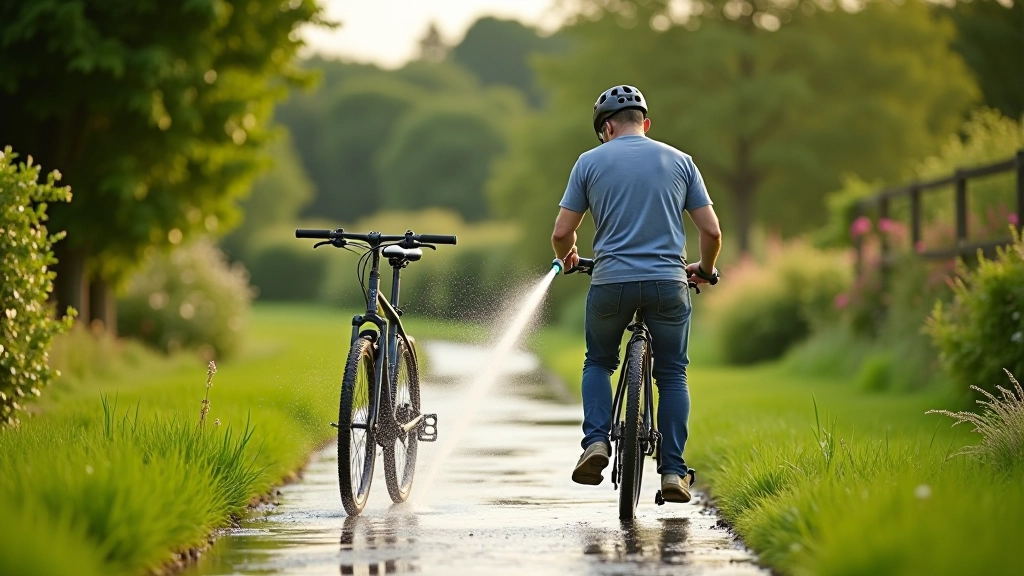
You don't need to make your bike showroom-perfect, but basic cleaning extends its life. Dirt acts like sandpaper on moving parts. When you get back from the towpath, especially after wet weather, rinse your bike with a gentle spray from the hose. Don't blast it with high pressure, which forces water into bearings. Just a light rinse to remove dirt.
Wipe down the frame with a soft cloth. Pay special attention to the chain and gears — dirt accumulates there fastest. A clean bike runs better and you'll spot problems faster (worn pads, bent rims, etc.) when you can actually see the components clearly. Plus, cycling a clean bike is more enjoyable. It sounds strange, but it's true.
Build a Simple Maintenance Routine
The key to keeping your bike in good condition isn't complicated maintenance — it's consistent small checks. Here's what works: Before each ride, squeeze your tyres and test your brakes (2 minutes). Every two weeks, oil your chain and check bolts (10 minutes). Every month or after wet rides, give your bike a rinse (5 minutes). That's it. These simple habits prevent 90% of bike problems.
You'll find that once you develop this routine, you become attuned to your bike. You'll notice when something's off before it becomes a problem. Your bike responds better, shifts smoother, and rides quieter. And you'll spend less money on repairs because you're catching issues early. Most importantly, you'll feel confident heading out on the Barrow Way knowing your bike is ready for the ride.