Getting Started on the Barrow Way
Learn how to access the towpath, what to bring, and why this route is ideal for comfortable cycling in the Carlow region.
Sharing the Barrow Way respectfully and safely with other users
The restored Barrow Way is one of Ireland's finest cycling destinations, and it's thriving because people respect it. Whether you're a regular or visiting for the first time, understanding the unwritten rules makes the experience better for everyone. It's not complicated — just a few simple principles that keep the path welcoming and safe.
We've put together this guide based on feedback from thousands of cyclists, walkers, and local communities who use the towpath. You'll find practical tips for staying visible, communicating with others, and looking after the infrastructure we're all fortunate to have access to.
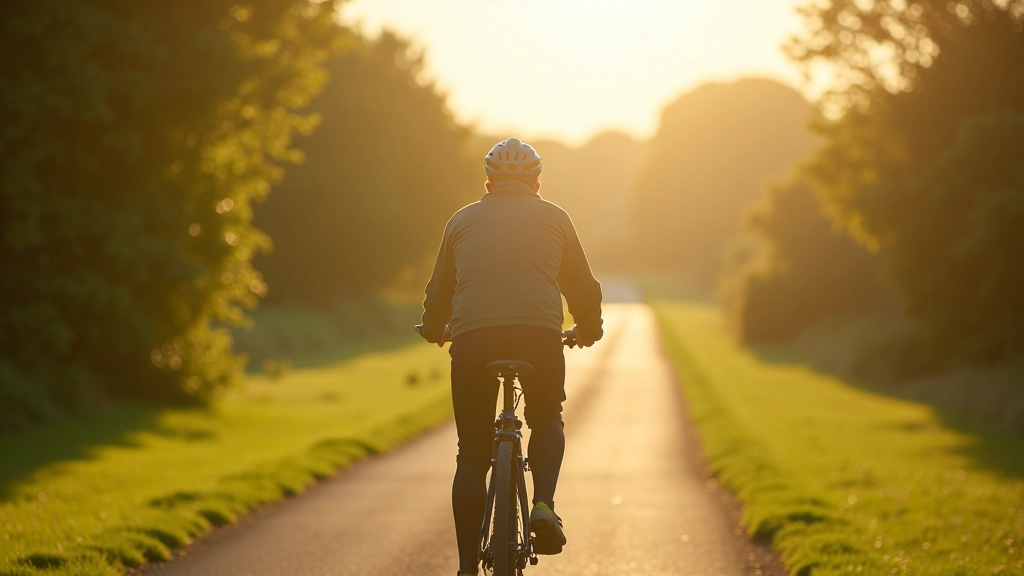
Visibility isn't just about safety — it's about mutual respect. The towpath has several blind corners, especially around the St Mullins section where trees overhang the path. Early morning or evening rides mean reduced light, and other users won't see you coming unless you're prepared.
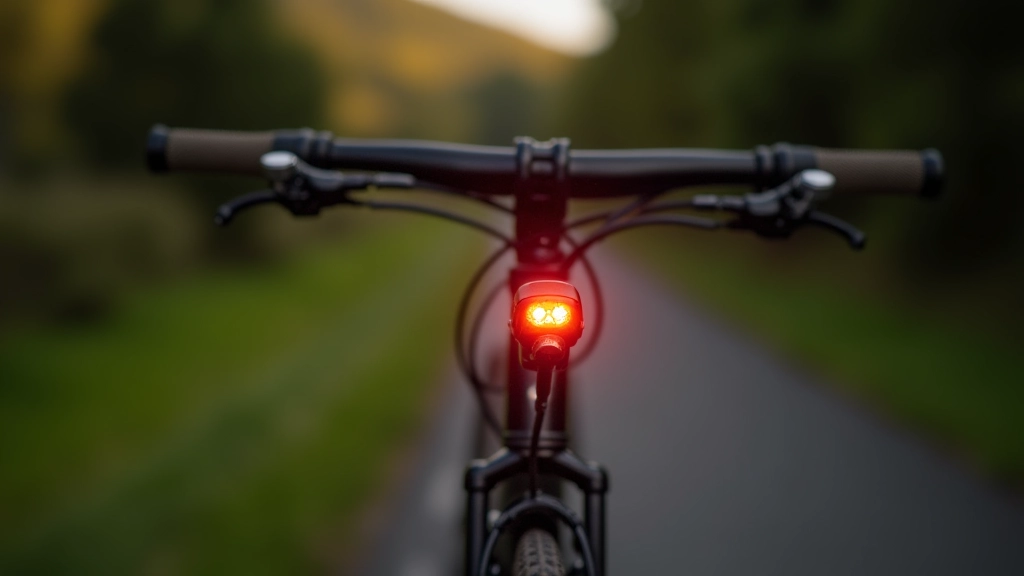
Front and rear lights aren't optional on this route. A simple white front light and red rear light make you visible from 150+ metres away, even in daylight. We're not talking about expensive systems — basic LED lights cost under €15 and last for months. Reflective tape on your bike frame or clothing adds another layer without any effort.
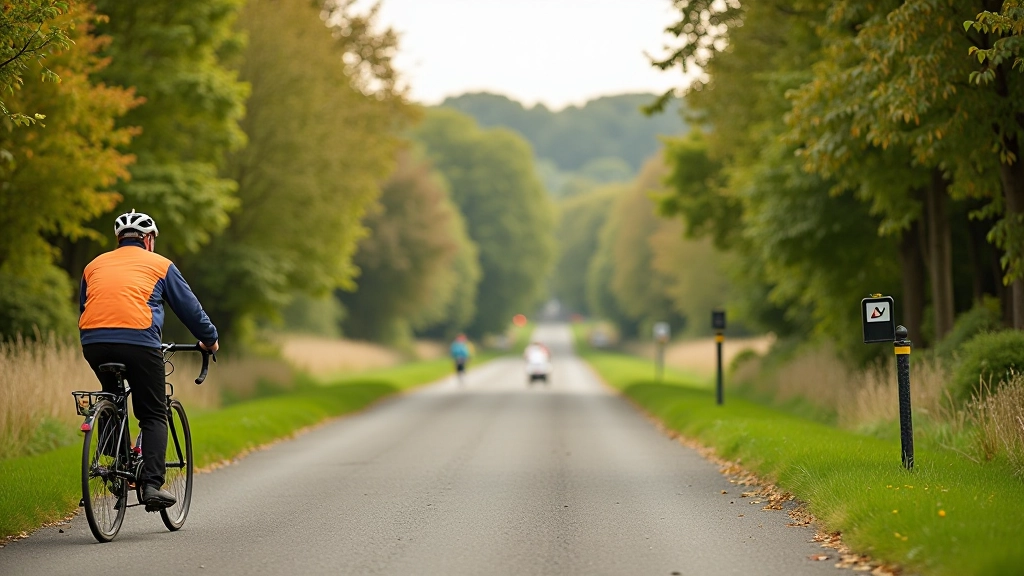
Bright clothing helps too. You don't need fluorescent gear, but avoid dark colours during overcast days. Reds, oranges, and yellows stand out naturally against the green canal surroundings.
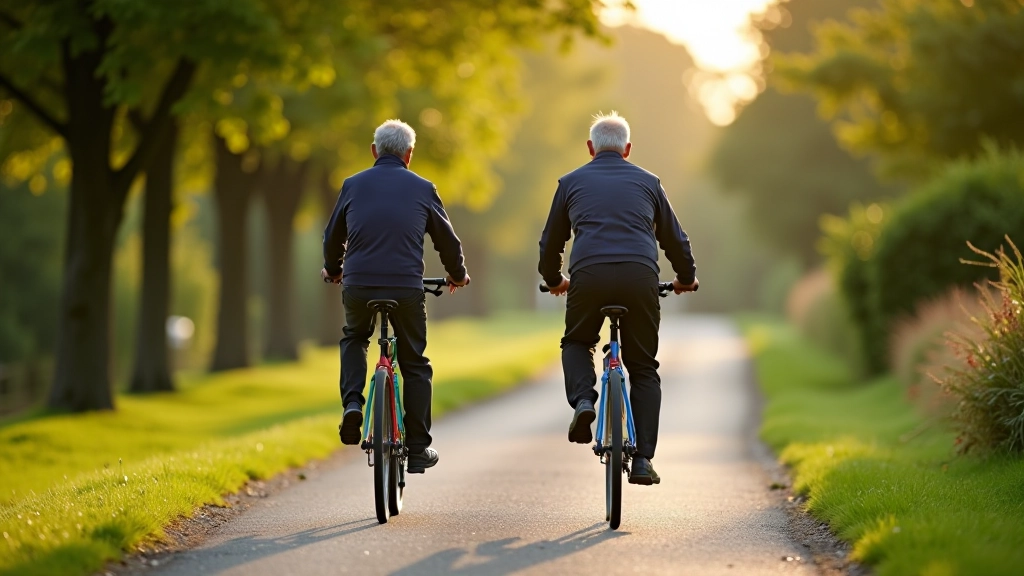
A simple bell ring changes everything. When you're approaching walkers or other cyclists, ring your bell 10-15 metres ahead. Don't surprise people. A friendly "on your left" or "coming through" works just as well if you don't have a bell.
Here's the thing: most people on the towpath aren't expecting cyclists. Walkers, especially older visitors, might be enjoying the scenery and not hearing you approach. A quick ring gives them time to step to the side naturally, and you both continue without tension. It takes two seconds and prevents the awkward moment when someone suddenly notices you're there.
If someone doesn't move, slow down. There's no rush. The Barrow Way isn't a race — it's a shared space where everyone deserves to feel safe and respected.
A clear, pleasant bell sound works better than aggressive honking. Most bike shops stock decent bells for €5-10. Ding-ding is better than AWOOGA.
The towpath surface varies. Some sections near Graiguenamanagh are newly resurfaced asphalt. Others are packed gravel or crushed stone. Adjust your speed based on conditions and who's around you. That doesn't mean crawling along — it means being aware.
A safe passing distance is at least 1.5 metres from walkers and dogs. When you're overtaking another cyclist, ring your bell and move wide. Give people space to react. If the path is narrow and busy, it's okay to slow down and wait for a better moment to pass. Patience is part of towpath etiquette.
Early mornings and weekday afternoons are quieter. If you're looking for a faster ride without constantly managing around other users, that's when to go. Weekends and school holidays get busy, especially on nice weather days, so expect more foot traffic.
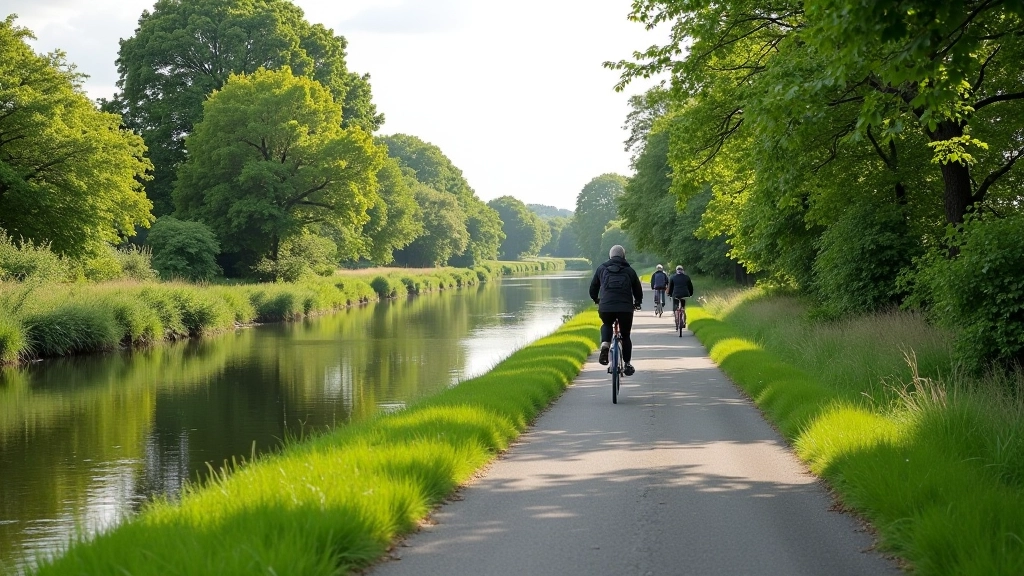
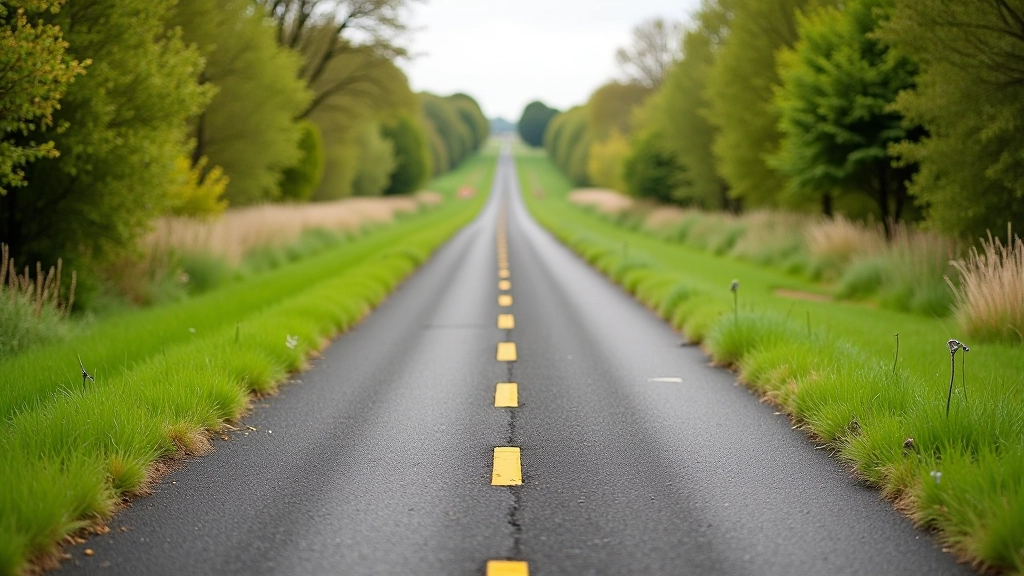
The Barrow Way restoration cost €3.2 million. It's a community asset. Simple respect for the infrastructure means everyone keeps using it for years. Don't ride on the grass verges — it damages the surface and creates maintenance problems. Stay on the designated path.
Report problems you notice. Potholes, drainage issues, overhanging branches, or litter — you can contact the local council or post on community cycling forums. These reports actually get acted on. The more people who care about maintenance, the longer the path stays in good condition.
Lock your bike securely at rest points. There's minimal theft on the towpath, but it only takes one incident to make people nervous. Use designated parking areas when available.
Ireland's weather changes fast. The towpath can go from dry to muddy in hours during winter. Gravel sections become slippery after rain. If you're not comfortable riding on wet surfaces, that's valid — it doesn't make you timid, it makes you sensible.
Spring and early summer bring insects and pollen. Summer heat can soften the asphalt in direct sun. Autumn leaves cover drainage channels and create hazards. Winter ice near shaded sections is genuinely dangerous. Check local weather forecasts and adjust your plans accordingly.
Other users appreciate predictability too. Wear high-visibility gear during poor visibility, and consider whether it's really the right day for speed cycling. Most accidents happen when conditions are poor and someone's pushing too hard.
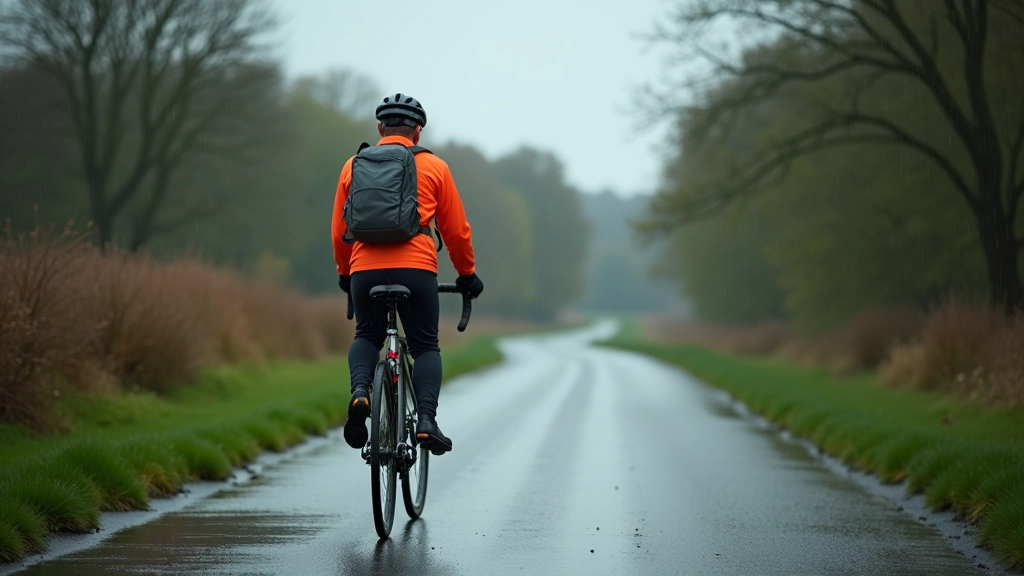
Safety and etiquette on the Barrow Way come down to one thing: respecting other people and the space you're sharing. A bell ring, a friendly wave, slowing down when needed, and keeping the path clean aren't burdens — they're how you become part of a community that values this restored treasure.
We've been fortunate to see this route come back to life. Walkers, cyclists, runners, and families with children use it because it feels safe and welcoming. That doesn't happen by accident. It happens because people care about how they use it.
You're not just cycling. You're participating in something that matters to your local community. Make it count.
This article provides educational information about safe cycling practices on shared towpaths. Circumstances vary depending on weather, path conditions, and local traffic. Always exercise personal judgment and adjust your behaviour based on current conditions. If you're uncomfortable cycling in specific weather or on unfamiliar sections, it's perfectly reasonable to walk your bike or return another day. Your safety is more important than maintaining any schedule.